

The 'Hit Stop' Technique
A 3-frame pause on impact sells the power of a sword strike. It's not lag; it's intentional weight. The player feels the collision, not just sees it.
A data-driven exploration of the critical 24-hour retention curve. Learn why 70% churn before tutorial completion and how to design the frictionless entry point that triggers long-term engagement.
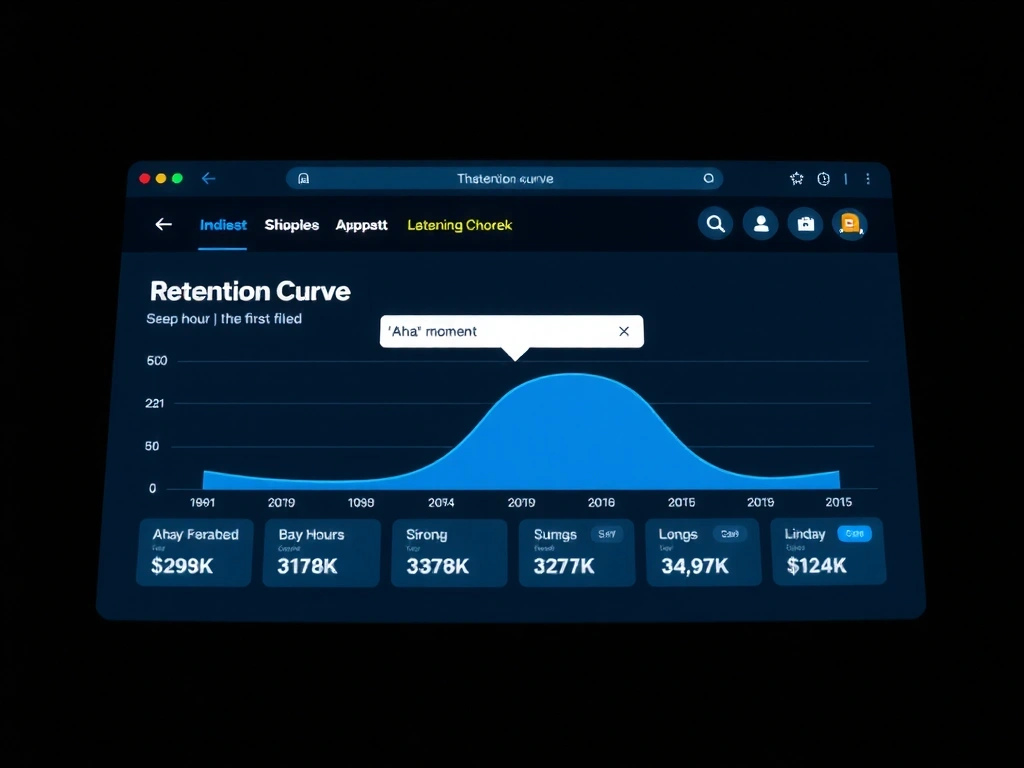
GRAPH_01: Player Retention vs. Time (Hours)
The data is stark: 70% of players churn before completing the tutorial. This isn't a failure of the game's core loop, but a failure of the *entry point*. The cliff isn't a drop-off; it's a wall. Players hit it when complexity overwhelms curiosity. We see this in the divergence between two game types.
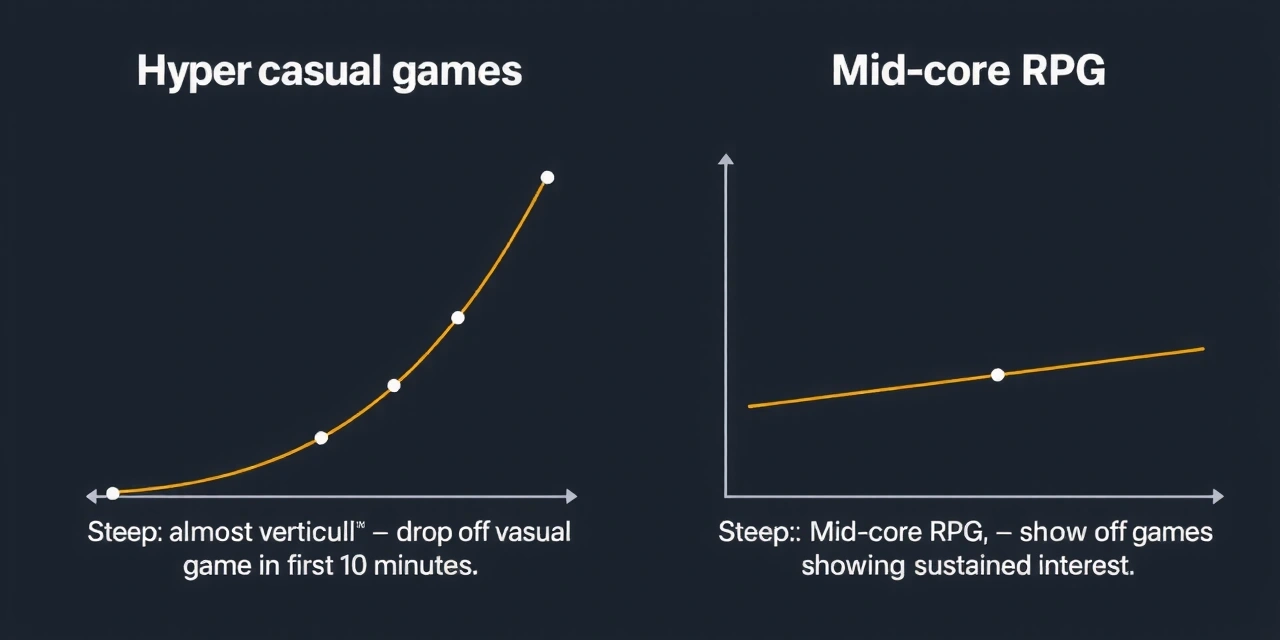
FIG 1.1: Hyper-casual (left) vs. Mid-core RPG (right) retention divergence at Hour 3.
Long-term engagement isn't triggered by volume, but by a single, defining action. We map this as the 'Aha!' moment—a micro-commitment that unlocks agency. In a social game, it's the first multiplayer match. In a builder, it's the first crafted item. The path to it must be a straight, well-lit corridor, not a maze of feature dumps.
"The first 30 seconds are about removing friction. The next 5 minutes are about providing one clear, rewarding action. Everything else is noise until the player asks for it."
— From an anonymous Lead Designer at a Top-10 Mobile Studio
Retention isn't about hooking players in the first minute; it's about guiding them to a single, satisfying discovery in the first hour. The data shows that frictionless entry and a clear 'Aha!' moment are the strongest predictors of Day-7 retention, far outweighing the complexity of the game's systems.
A tactical breakdown of intentional lag and feedback for perceived weight.
A 3-frame pause on impact sells the power of a sword strike. It's not lag; it's intentional weight. The player feels the collision, not just sees it.
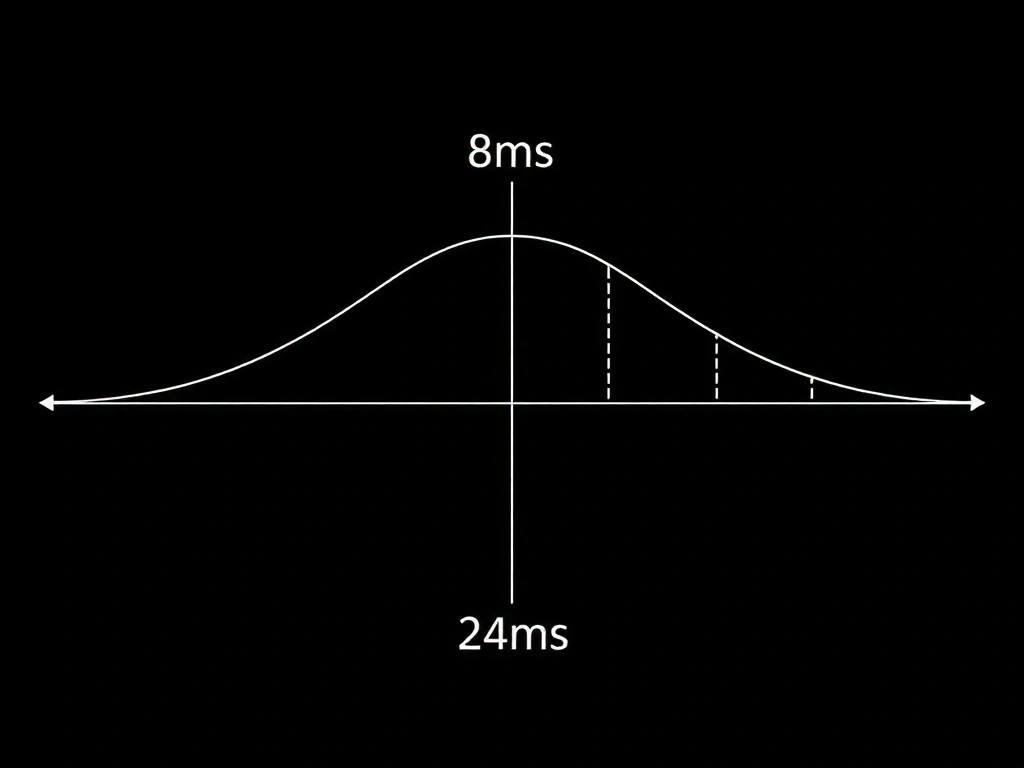
8ms defines 'responsive'. 24ms feels sluggish. The difference isn't perceptual; it's neural. Competitive games mask buffer with prediction; casual games can't afford the lag.
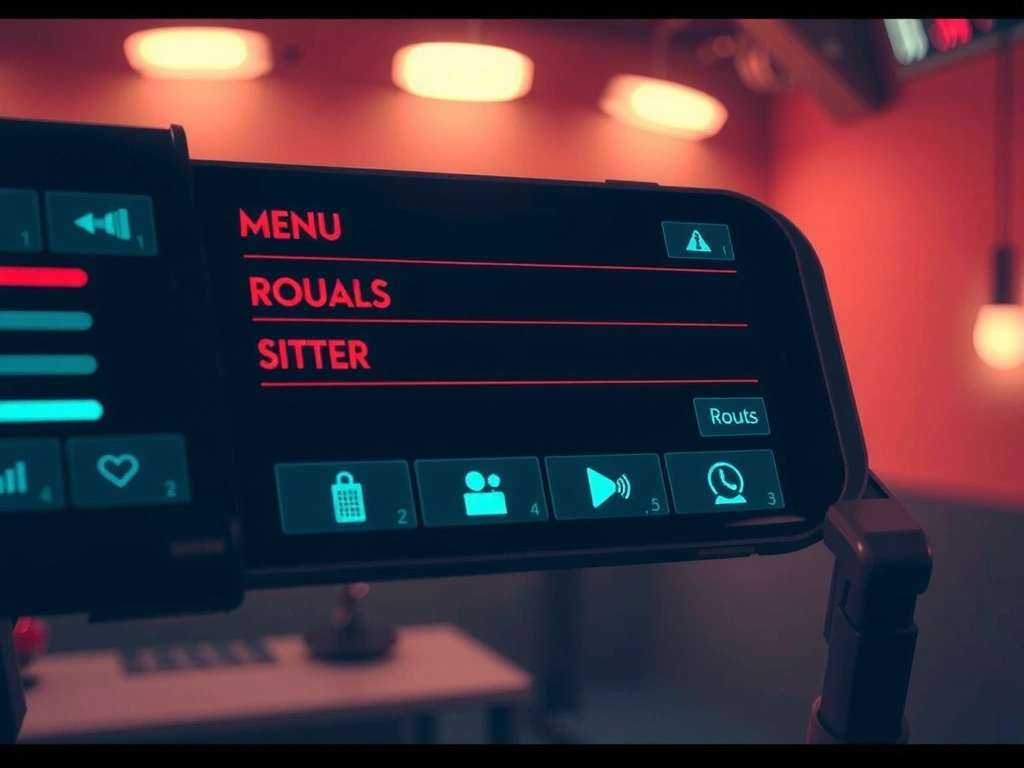
Screen shake, particles, and sound design make menu selections feel consequential. A 'crispy' click sells a tertiary action; a 'heavy' thud sells a primary one.
Trade-off: A competitive shooter prioritizes immediate response (crispy). A mobile puzzle game prioritizes exaggerated feedback (juicy). The wrong choice destroys feel. We evaluate this using haptic latency tests and player biometric response (time to recognition).
Data shapes the games we love. But the line between optimization and exploitation is thin. This framework helps you choose metrics that measure satisfaction, not just time spent. It's for the Product Manager who has to explain a feature to a developer, a stakeholder, and a player.
We don't rely on vanity metrics like DAU/MAU. Our robustness test involves correlating in-game events (e.g., 'first craft') with 7-day and 30-day retention cohorts. We filter for statistical significance and look for player feedback loops that indicate genuine desire versus conditioned behavior.
| Metric | Why It Matters | Pitfall |
|---|---|---|
| Session Depth | Actions per session, not duration. Shows engagement intent. | Inflated by loops/grind. |
| Feature Adoption | % who use new systems. Validates design choices. | Ignores why they avoid it. |
| Social Graph | Friends added, guilds joined. A retention multiplier. | Difficult to isolate causality. |
| Voluntary Return | Players returning without push notifications. | Low for casual games. |
These insights are the foundation. Trackeno's in-app analytics platform is built on these principles—giving you the clarity to iterate with confidence, not intuition.